Thinking about buying or selling in Manayunk and trying to make sense of what prices, inventory, and days on market really mean for you? You’re not alone. With a mix of historic rowhomes and riverfront condos, this neighborhood moves in distinct patterns that affect how you price, shop, and negotiate. In this guide, you’ll learn how to read the three key indicators that matter most, how they differ by property type, and how to use them to time your next move with confidence. Let’s dive in.
Manayunk at a glance
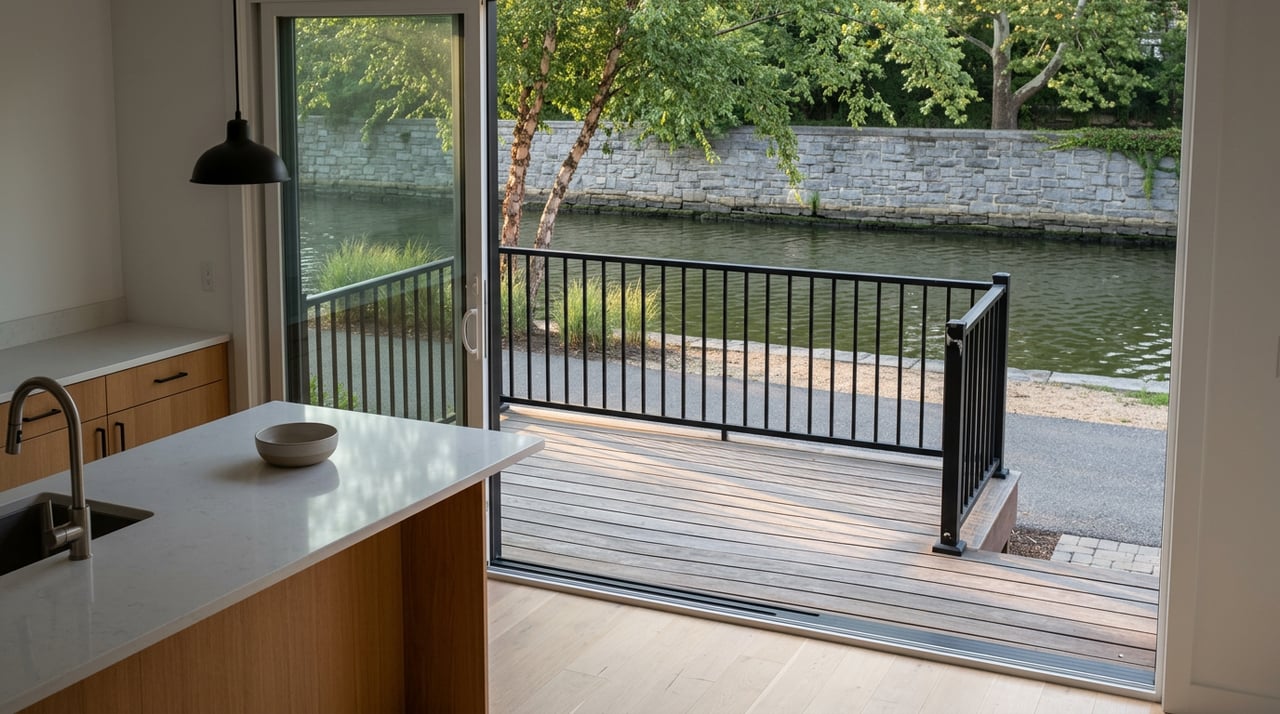
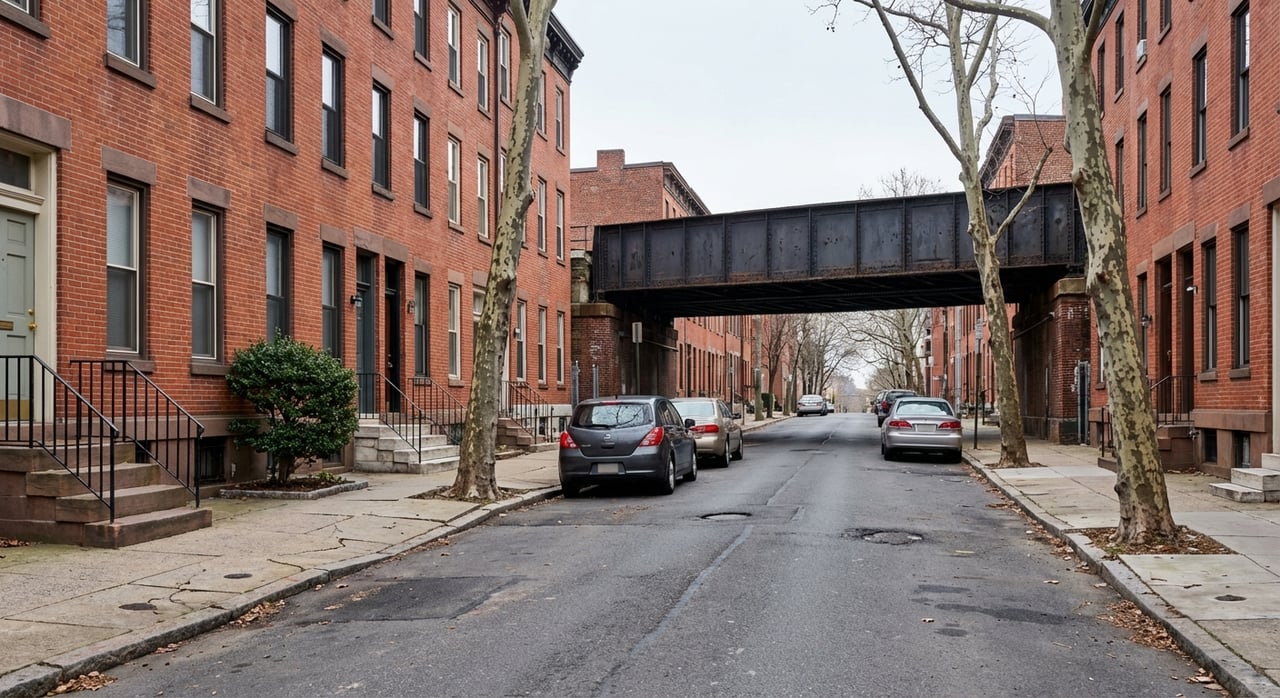
Manayunk sits along the Schuylkill River with a walkable Main Street and quick access to Center City. The housing stock is a blend of older rowhomes on tight lots and a solid supply of condo conversions and newer buildings near the riverfront. Many buyers come for location, smaller footprints, and easy access to retail and nightlife.
For market analysis, it helps to split the neighborhood into two buckets: fee‑simple rowhomes/townhouses and condominiums. These property types behave differently on price, inventory, and speed, so you’ll want to view each trend separately before you set a list price or write an offer.
How to read median sale price
Median sale price is the middle sale in a set of closed deals for a given period. It’s more reliable than an average because one unusually high or low sale won’t skew the number as much. You can run it over the last 90 days for short‑term direction or over 12 months to smooth out seasonal swings.
What to focus on:
- Look for trend, not just one month. A single jump with only a handful of sales can be noise.
- Always note the sample size. A median from 8 condo sales tells a different story than a median from 40 rowhome sales.
- Compare property types separately. Rowhomes may show a higher median price, while condos can show a higher price per square foot in certain buildings.
- If available, check price per finished square foot to compare homes of different sizes more fairly.
Practical tip: If the median sale price is rising for several months and the typical sale is closing at or above list, you can expect stronger competition on well‑priced homes.
Inventory and months of supply
Months of supply tells you how long it would take to sell the current active listings at the recent pace of sales. The formula is simple: active listings divided by the average number of monthly sales. Use the same property type and boundary for both parts of the math.
How to interpret months of supply:
- Less than 3 months suggests a seller’s market. Supply is tight and well‑priced homes move.
- Between 3 and 6 months is considered balanced. Neither side has a big edge.
- More than 6 months points to a buyer’s market. Expect more negotiation room and longer selling times.
Seasonal note: Inventory often rises in spring and dips in winter. Compare the same month year over year for a truer read, and consider a 3‑ or 12‑month rolling view to smooth volatility. In a neighborhood like Manayunk, it’s common to see tighter supply for rowhomes and more options among condos, but verify the split before you decide on strategy.
Days on market (DOM) and what speed signals
Days on market measures how long a listing takes to go under contract. Median DOM for sold properties is the cleanest way to see how fast successful listings are moving. It’s also useful to check the share that sells within 7 days, within 30 days, and beyond 90 days to understand the spread.
How to interpret DOM:
- Low median DOM, especially under 14–21 days, signals faster movement and a higher chance of multiple offers.
- Higher DOM suggests more negotiation leverage for buyers. Pair rising DOM with flat or falling prices, and buyers typically gain ground.
- Keep in mind some systems reset DOM after relisting. Look for cumulative DOM when possible.
If you’re buying, lower DOM means you should be ready to move quickly on the homes you like. If you’re selling, low DOM in your segment often rewards pricing at or just below market to spark strong interest in the first week.
Rowhomes vs condos: what changes and why it matters
Rowhomes
Rowhomes often attract buyers seeking fee‑simple ownership, more space on multiple levels, and sometimes a small yard. Renovated homes and those with parking can command a premium. In tight inventory periods, standout rowhomes can see very low DOM and over‑ask outcomes.
What to watch:
- Median sale price by quarter or rolling 12 months, not just a single month.
- Months of supply, which may be tighter than condos if there are fewer listings.
- Updates and systems. Older systems can affect appraisals and buyer budgets, even in a strong market.
Condos
Condos appeal to first‑time buyers, downsizers, and some investors who prefer lower maintenance. HOA fees, building reserves, and parking availability play a major role in pricing and financing.
What to watch:
- HOA budgets and reserves. Lender approval can hinge on healthy reserves and low delinquency.
- Quality of conversion in older buildings, which can vary and influence buyer demand.
- Months of supply, which can be higher than rowhomes if more units are available at once.
If you’re buying a condo, review HOA documents early and understand the fee structure. If you’re selling, share HOA budgets, reserve studies, and any recent capital improvements up front to reduce friction.
Seasonal rhythm in Manayunk and greater Philadelphia
- Spring, March through June: This is typically the most active period. More sellers list and prices can firm up.
- Summer: Activity stays solid, though negotiations can widen in very hot months.
- Fall: Fewer buyers shop, which can reduce multiple‑offer pressure.
- Winter: Lower inventory and fewer sales. Serious buyers may gain leverage unless supply is extremely tight.
For your timing, compare the same month year over year. That approach removes a lot of seasonal wiggles and gives you a clearer trend.
Your playbook: use price, inventory, and DOM together
Reading one metric in isolation can mislead you. Combine median price trend with months of supply and DOM for a clearer picture. Then tailor your strategy by property type.
Scenario A: Low supply, low DOM, rising prices
Buyer tactics:
- Get a lender pre‑approval and proof of funds ready.
- Consider escalation clauses or slightly above‑list offers on well‑priced homes.
- Keep contingencies, but tighten timelines. For example, shorten inspection windows.
- Be flexible on closing date and deposit timing to stand out.
Seller tactics:
- Price at or just below market to encourage multiple offers.
- Provide disclosures and pre‑listing inspections to build buyer confidence.
- Set a clear offer review timeline to manage interest.
Scenario B: Moderate supply, moderate DOM, flat prices
Buyer tactics:
- Write at or slightly below list depending on condition and recent comps.
- Negotiate repairs based on inspection findings.
- Target listings with longer DOM or recent price reductions.
Seller tactics:
- Price to match nearby comps. Small concessions or a credit for closing costs can help.
- Stage thoughtfully and complete minor updates to reduce DOM.
Scenario C: High supply, rising DOM, falling prices
Buyer tactics:
- Use inspection‑first offers and seek price reductions or seller credits.
- Lean on appraisal and financing contingencies if appropriate.
- Negotiate on repairs, closing costs, and occupancy timing.
Seller tactics:
- Consider a meaningful price adjustment or buyer incentives to refresh interest.
- Address obvious repair items before listing and upgrade marketing quality.
How we build a clean Manayunk dataset
To keep the numbers accurate and useful, define your geography and filters clearly.
- Boundary: Use the Manayunk neighborhood polygon from the MLS. Zip code 19127 is close but not exact, so be consistent and note your boundary choice.
- Property type split: Run separate sets for fee‑simple rowhomes/townhouses and for condos.
- Time frames: Pull a 90‑day snapshot for immediate momentum and a rolling 12‑month view for trend. When you compare seasonality, use the same month year over year.
- Core metrics: Median sale price, number of closed sales, months of supply, median DOM for sold listings, price per square foot where reliable, and the distribution of DOM.
- Integrity checks: Exclude out‑of‑area parcels, confirm that sales are closed, and be aware that relisted homes can reset DOM in some systems.
This approach gives you an apples‑to‑apples read before you set a price or write an offer.
Quick takeaways
- Track rowhomes and condos separately. They follow different supply and speed patterns in Manayunk.
- Use median sale price and sample size together. A long‑term rolling trend beats a single month.
- Months of supply under 3 favors sellers. Over 6 favors buyers. Between 3 and 6 is balanced.
- DOM reveals pace. Faster DOM plus tight supply suggests you need to act quickly.
- Seasonal swings are real. Compare the same month year over year for cleaner insights.
If you want a local read on your specific block, building, or price point, reach out. With deep Manayunk experience across listings, rentals, small multi‑family, and property management, we can help you price, market, or write a strong offer with less stress.
Ready to talk timing, pricing, or strategy for your move in Manayunk? Let’s connect. Contact Kershaw Real Estate for a practical, local plan that fits your goals.
FAQs
What does “months of supply” mean in Manayunk right now?
- It measures how long current listings would take to sell at the recent pace. Under 3 months favors sellers, 3–6 is balanced, and over 6 favors buyers.
How do rowhome and condo prices differ in Manayunk?
- Rowhomes often show higher median prices, while some condos show higher price per square foot. Always compare each property type separately.
Why does days on market matter when I buy or sell?
- Low DOM signals faster movement and more competition. Higher DOM usually means more room to negotiate on price, credits, and terms.
When is the best season to list or buy in Manayunk?
- Spring is the most active, fall and winter are quieter. Compare the same month year over year to decide the timing that fits your goals.
How should I evaluate a Manayunk condo HOA?
- Review the budget, reserves, meeting minutes, and any special assessments. Healthy reserves and low delinquencies support buyer confidence and financing.